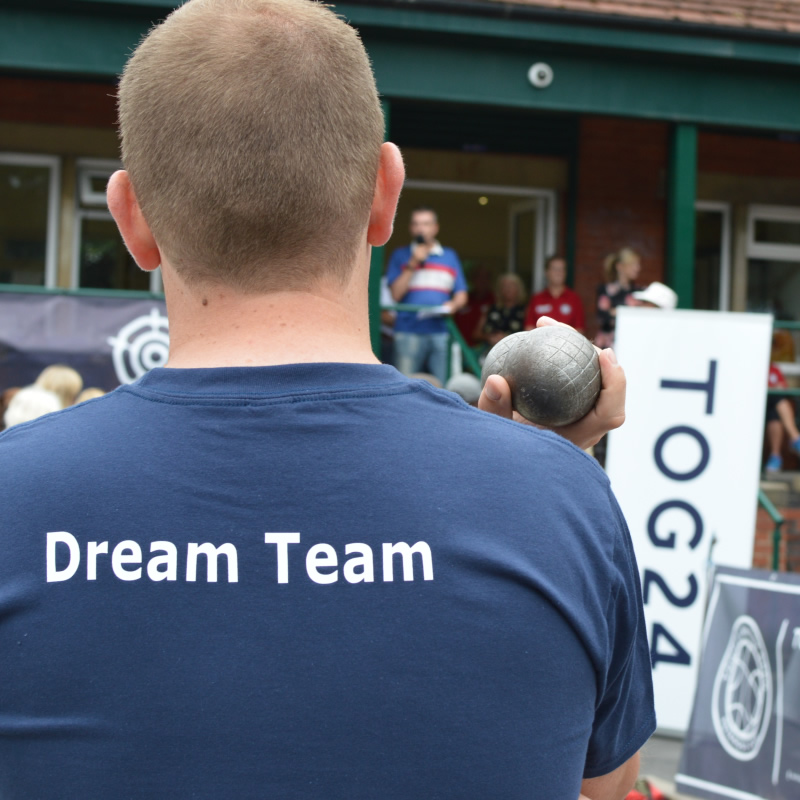
In triples, job titles can help a team prepare, but the best throw for an awkward end may sit with a different player. Talk through roles before check-in. Ask who prefers opening a neutral end, who can shoot well at the distances you expect and who is comfortable switching between the two. Leave space for the team to change its mind when the piste or score changes.
Agree who speaks and who listens
Pick one person to summarise the options when several teammates have a view. The person about to throw should know which shot the team wants. The others can point out issues such as a back line, a crowded landing patch or where prior misses stopped. Check the applicable rules on positioning and timing before a competitive match.
Make handovers clear
If the planned shooter is struggling with a distance, a brief handover beats a long discussion in the circle. A teammate can take the shot and leave the other player a pointing task. Practise switching in a friendly end, so a change does not feel like a verdict on someone’s match. Decide who will carry a measure and who will note the score.
Rehearse a difficult end together
Set a near boule, an obstacle and a few boules left to play. Ask each player to make a quick case for a shot, then agree which role best suits it. Repeat after moving the jack. The TOG24 La British Open archive describes a triples competition. Its event information gives context for the format, while the current event pack sets the rules for any fixture you enter.
Make roles useful in the first end
Give each player a practical contribution before anyone starts throwing. One might be best at opening with a repeatable point, one might be comfortable reading options after the first boule, and another might take the aiming task when an opponent blocks the available line. Ask which distances and surfaces suit each player. Assign someone to look over the recording and measurement requirements. Use these jobs to get the team started and check the official format and regulations for the event you have entered.
Keep the choice open as the end changes
Suppose the planned shooter has been getting consistent contacts at a comfortable distance, but the new jack sits at the far end of an uneven lane. The teammate with a familiar pointing route may have a good way to create space without trying a difficult hit. Look at what remains to be played and how a miss might change the positions. Agree that the original job descriptions can shift when you know something about that particular end. A change can be a response to the next throw rather than a judgement on how someone has played the whole day.
Practise concise calls and clear handovers
One player can describe the problem, one can name the intended result, and the thrower can confirm the plan. It can be the same person for the first two jobs if that keeps the discussion short. Try a call like “protect the point from the left, let the boule finish just in front.” If two ideas compete, ask which outcome the team wants most and how likely a normal miss is to help. Tell the other players when the discussion has ended so they know to give the thrower room.
Share the less visible work
Agree who carries a working measure, who watches which side should play and who communicates with the desk if a result or next assignment is unclear. Keep spare items where the team can find them. When time is short, a player can confirm the score while another gets ready to leave the piste. Use the current competition procedures for measurement, disputes and results. Quiet logistical work helps the group leave room for the next tactical decision.
Try the same problem with a different leader
Recreate an end in which the team usually relies on one voice. Give the person who calls shots a watching role and let a quieter teammate describe the safest likely miss. Keep the physical setup unchanged before comparing approaches. After a couple of attempts, ask which part of the new description clarified the plan. Repeat the exercise after moving the jack or taking away a spare boule. A role that works only with a particular player present is harder to use when someone has to take a break or cannot attend.
Agree what happens after a disagreement
Decide on a short reset phrase you can use when several people offer advice at once. State the intended outcome before settling who should throw. If the decision remains unclear, pick a usable option within the event timing rather than continuing to rehearse all the alternatives. Later, review the position with the team and consider whether the first decision was reasonable given what you knew at the time. Keep observations about the specific lie separate from frustration about past throws.
Before your next open, talk through a realistic example. If each player can say what they would do, what a good miss might be and who calls for an umpire if needed, the team has enough preparation to start. Adjust your approach as information comes in. A useful triplet is able to make a clear change quickly when the surface, score or available boules move the decision in a different direction.