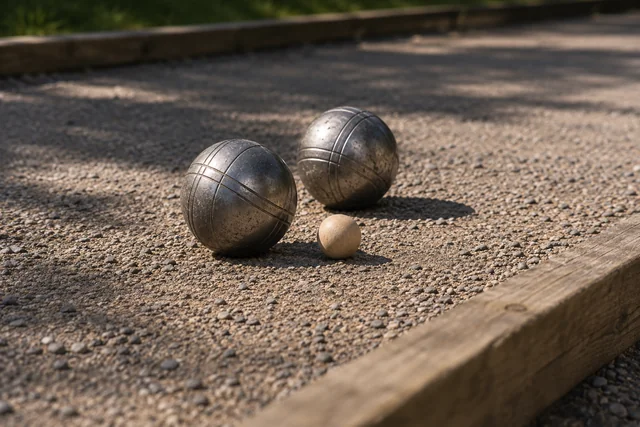
Time away can make the old club night feel longer than you remember. If you stopped because of an injury or illness, follow the advice you have been given about returning. If the break was simply because life got busy, plan a visit that gives you room to find your old rhythm before adding a match or a long technical block.
Start with the session you can repeat
Choose a familiar place and a partner you can tell that you are testing your return. Play one short game or spend a few minutes repeating a comfortable throw. It is fine to stop while you still have something left. The first useful measure is whether you can return for a similar session later in the week, rather than how close you can get to your previous best on day one.
Take notes on the new friction
Notice what feels different. Perhaps your feet tire sooner on the gravel, or you hesitate before making decisions you once took quickly. Separate the skill issue from the practical one. You may need a shorter route from the car, a lighter bag or a shorter borrowed period on a nearby piste before you need technical coaching. Make one change you can try next time.
Build up your match responsibilities
After a few manageable sessions, choose one addition. You could play a second game, practise shooting for a short block or agree to lead the decisions for part of a friendly. Add breaks where needed and check how you feel afterwards. Keep using a comfortable starting routine. If pain or unusual fatigue is persistent or makes normal activities difficult, seek appropriate advice instead of trying to make up the missed practice.
Find out what changed during the break
Contact the club before your first visit if you have been away for a season. Social play may have moved to a different day. The gate you used before might now be locked during formal matches. Ask which session offers a straightforward place to drop in and whether there is a spot where you can throw a few boules at your pace. Some players find it easier to return with a named person to meet, especially if many familiar faces have moved on.
Think about why you stopped. Work hours, availability of transport and a change in childcare produce different solutions from a loss of interest in league matches. A social fixture might restore the part of the game you missed. Another player may want the structure of a practice pair with a clear finishing time. Choose a first visit you could arrange again even on a mildly inconvenient week.
Use three visits to test what is realistic
On your first visit, aim to turn up, inspect the footing and settle into some familiar pointing throws. Stay a little longer to watch the group if that suits you. End early enough that you can say which part of the session felt useful. If you expect to be out for 45 minutes, include waking the lane up, talking to a partner and stowing the kit inside that allowance.
At the next visit repeat the same opening and add one thing. You might play a few ends, try one surface you avoided, or introduce the role you used to enjoy. During the third visit try the smallest version of something you want to do regularly. A player hoping to return to triples could join an informal side for a short game, agree a clear ending time and see what happens when they need to share shots.
There is no deadline attached to these visits. Repeat one or adjust the outing if the previous one felt too demanding. A steady habit can start with turning up to watch and talking to the players before you feel ready to enter any fixtures.
Notice the physical and social cost of the visit
Write a short note the day after. Which throws felt natural? Could you get home and manage the rest of the day comfortably? Did the session start on time, and was there somewhere to sit if you wanted a break? Long travel, carrying a heavy bag and standing at a busy draw can matter as much as the minutes spent at the circle. Fix the largest obstacle first.
If persistent fatigue or symptoms interfere with normal daily activity, seek appropriate advice about them. If your absence followed an injury or illness, follow any return guidance you received from a qualified professional. A general club plan can help with access or expectations while individual health decisions remain with the player and their advisers.
Rebuild your place in the game
Say what you are available to try. “I can point for a short practice game and sit out the second one” gives a captain a realistic starting point. Help with jack placement, scoring or observing the lane on visits when you want a smaller playing role. If an equipment problem is slowing your return, the club may have a lawful set to borrow or a coach who can explain what to check.
An experienced shooter can feel the gap immediately if other people expect them to pick up the old role. Ask for a lane and a few ordinary throws first. Try the shot again when you have a way to compare where the boules land. Someone coming back to coaching might watch one game before resuming an evening of demonstrations.
Make it easy to reschedule a missed week
Pick a specific day, contact and fallback location for the next visit. If rain makes the lane inaccessible, move the meeting or set a date while the group is still in touch. Your return has begun when you find a way to keep playing under ordinary conditions. A missed fixture provides information about the plan and a reason to adjust it before committing to a longer season.