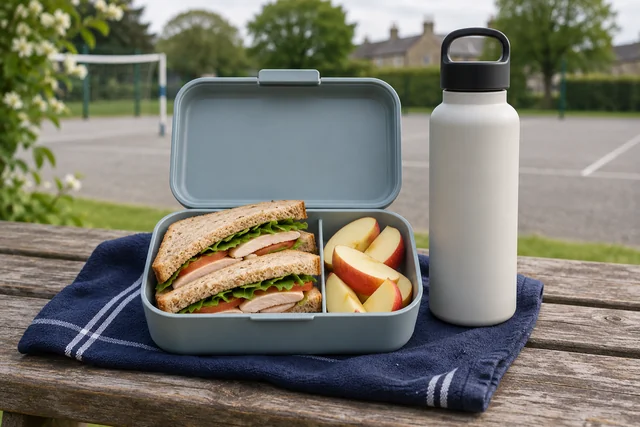
Packing for an open is easier when you arrange the bag around the day rather than around what you happen to own. Put things you use at check-in somewhere you can reach without emptying the whole bag. Keep heavy items close to the centre and put wet clothing in a separate pocket. Each player can carry personal essentials while the team shares bulky items when that makes sense.
Bring what the event actually requires
Check the event pack for equipment and entry requirements. Take the boules you intend to use, a cloth, a suitable measure if you have agreed to carry one, and the confirmation or licence if it is required. Keep the organiser’s contact details and the timetable on your phone with a backup you can use without a signal.
Pack for the likely conditions and one change
Take water and a familiar snack even if food is advertised. Bring an extra layer and a small dry bag if the forecast is changeable. A spare pair of socks can be useful when the ground is wet. A chair or cover may improve a long wait where the venue allows it. Check the current venue information before packing large items that will need to be carried between pistes.
Make the return trip easy
Keep a small reserve of water and food for later unless you know there is a reliable place to refill. Put keys, tickets and your phone somewhere that stays accessible when the bag is full. Before leaving, check the piste and seating area for the measure and other shared equipment. One last minute of checking is easier than returning to a dark ground after a long journey.
Pack in the order you will use things
Put your entry confirmation, current timetable and the contact for the event desk where you can get to them first. Put equipment you need on the piste in the part of the bag you can open standing up. Leave the items for the return journey in a separate pocket. If you have to move between several playing areas, choose a setup you can pick up in one trip or ask a teammate to share the load. This is especially useful when someone has limited room to carry items or needs a free hand.
Check shared equipment with the rest of the team
Agree who is bringing a measure, a spare cloth or another shared item that the event expects you to have. If the official pack specifies boules, a licence or other requirements, read that list before you pack. Tell teammates where you keep the measure so they do not need to wait for you if the rules allow it to be used. If some pieces are likely to get wet, put them together away from paper documents and spare clothing. Mark an item that several similar bags might contain.
Decide what the conditions might change
A forecast for a cool morning and heavy afternoon showers calls for a dry layer and somewhere to put wet clothing. At a hot venue, a refillable bottle and shade matter more than another piece of bulky gear. Confirm what the site allows and whether shared shelter is available. For a long day on a ground with little seating, ask the organiser where any chair can go without creating an obstacle. Keep a small bag for rubbish and take out what you carry in.
Prepare for the first unexpected wait
Bring something manageable to eat during a short break and a way to refill or replace your drink. If food needs refrigerating, plan how to keep it chilled instead of leaving it in a hot car or in the sun. A shelf-stable backup can be useful when breaks are irregular or a café closes before play ends. Keep the next useful layer near the top of the bag. A spare jumper at the very bottom is harder to get out during a brief delay on a damp ground.
Give the team an easy final check
- Keep the competition documents accessible without a mobile signal.
- Put the required equipment, a measure and weather essentials in their agreed places.
- Add water, a snack and any personal food or equipment you cannot easily replace.
- Confirm the return plan and a way to charge your phone if you need it for travel.
- Leave room to put wet or dirty items somewhere separate at the end of the day.
This list is a prompt to make decisions before the day, not a requirement to buy new gear. If different players need particular items, ask them what works. You may be able to share one bulky thing and leave the rest at home. If a replacement is difficult to find at the venue, pack it the evening before.
Repack before you leave the site
Collect shared equipment deliberately after the last end. Check the playing area for any item that was set aside while a measurement or discussion took place, and check around the seating area for a bottle, cloth or layer. Put tickets and keys where you can find them again. Take a moment to put the kit away in a way that will let you carry it on the return leg without spilling small items. When you get home, note what you never used and what you wished you had. Those observations form a better starting list for the next day than adding another complete set of supplies.
Check venue and admissions requirements again when you travel to a new competition. A packing plan works best when it reflects the actual ground and conditions rather than a version copied from a different year.